seismic wire, also known as geophones or seismometers, plays a critical role in earthquake monitoring and research. These specialized devices are designed to detect and record ground motion caused by seismic waves, providing valuable data that can help scientists better understand the dynamics of earthquakes and improve early warning systems. In this article, we will delve deeper into the world of seismic wire and its importance in seismology.
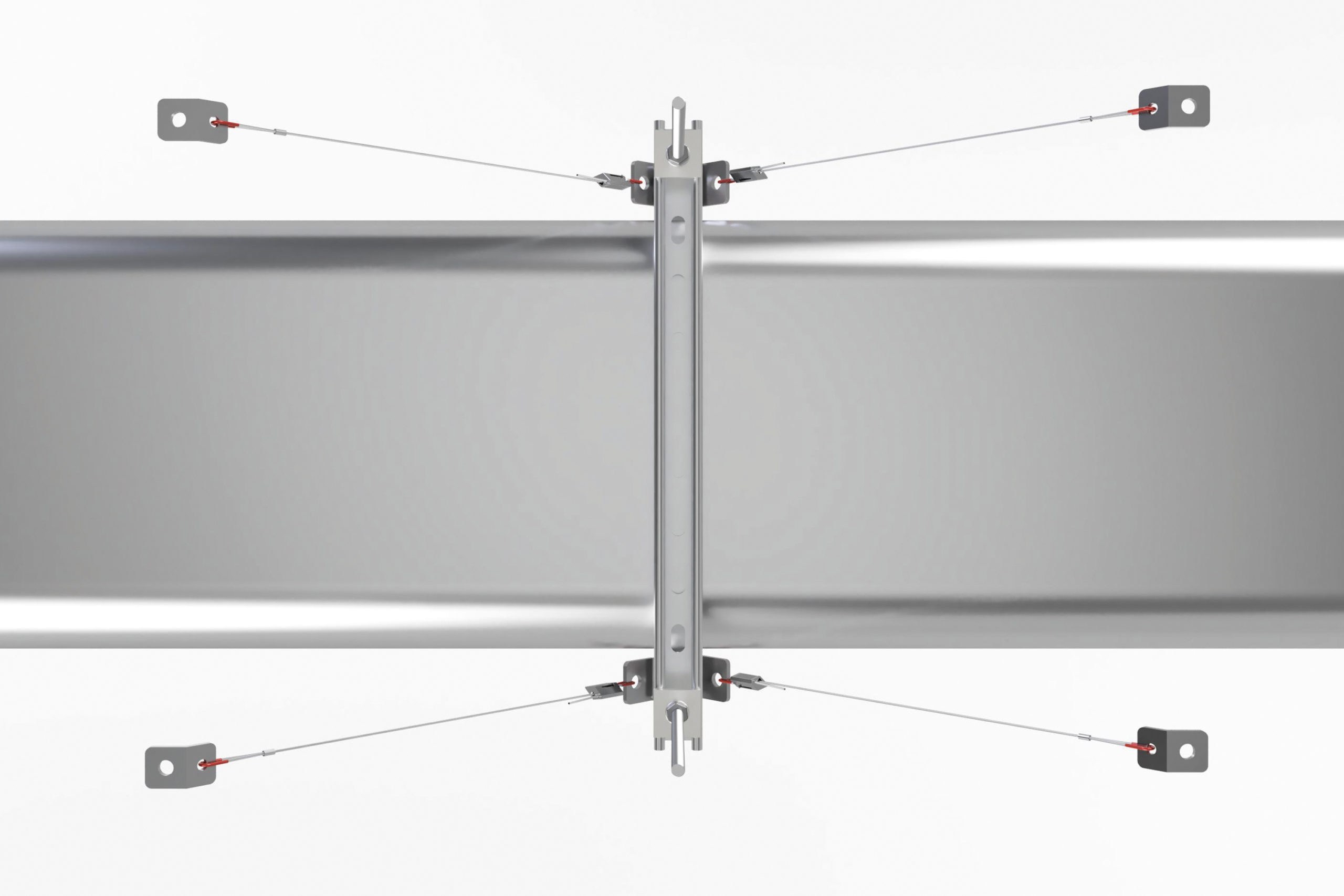
seismic wire consists of a long cable with multiple sensors attached at regular intervals. These sensors, known as geophones, are designed to convert ground motion into electrical signals that can be recorded and analyzed. The cable is typically buried underground or deployed on the surface in a grid pattern to cover a large area. When an earthquake occurs, the seismic waves travel through the Earth’s crust and cause the ground to vibrate. The geophones detect these vibrations and send the data to a central recording station for analysis.
One of the key advantages of seismic wire is its ability to provide real-time monitoring of seismic activity. By continuously recording ground motion, scientists can track the evolution of earthquakes and detect aftershocks or foreshocks that may indicate the potential for larger seismic events. This can help authorities issue timely warnings to the public and take necessary precautions to minimize the impact of earthquakes on populated areas.
seismic wire is also used in scientific research to study the properties of the Earth’s crust and better understand the mechanisms of earthquakes. By analyzing the data collected from geophones, scientists can create detailed maps of seismic activity, identify fault lines, and investigate the factors that contribute to the generation of seismic waves. This information is crucial for improving our ability to predict and mitigate the effects of earthquakes in the future.
In addition to monitoring earthquakes, seismic wire is used in a wide range of applications, including oil and gas exploration, mining operations, and civil engineering projects. In the oil and gas industry, seismic wire is employed to map underground reserves and plan drilling operations. In mining, it is used to detect potential hazards such as rock collapses or ground instability. In civil engineering, seismic wire helps engineers assess the stability of structures and monitor changes in ground conditions over time.
The development of advanced technologies has further enhanced the capabilities of seismic wire. Modern geophones are equipped with sophisticated sensors and data processing systems that can capture a wide range of seismic frequencies and provide high-resolution data in real-time. This allows scientists to gain deeper insights into the dynamics of earthquakes and improve the accuracy of seismic hazard assessments.
Despite its importance, seismic wire faces several challenges in its deployment and maintenance. The installation of geophones requires careful planning and preparation to ensure accurate data collection. The cables can be susceptible to damage from environmental factors such as weather, wildlife, or human activities, which can compromise the integrity of the monitoring network. Regular maintenance and calibration are essential to ensure the reliability and accuracy of seismic data.
As the threat of earthquakes continues to pose a significant risk to communities around the world, the demand for advanced seismic monitoring tools like seismic wire is on the rise. Governments, research institutions, and private companies are investing in the development of new technologies and infrastructure to enhance earthquake preparedness and response. By leveraging the power of seismic wire, we can improve our understanding of earthquakes and take proactive measures to protect lives and property in the face of this natural hazard.
In conclusion, seismic wire is a valuable tool for monitoring and studying earthquakes, providing essential data that can help scientists better understand the dynamics of seismic activity and improve early warning systems. With continued advancements in technology and infrastructure, seismic wire will play an increasingly important role in mitigating the impact of earthquakes and safeguarding communities from this natural threat.